


If you have ever worked on a fast moving product team, you already know this truth: security often becomes the bottleneck. Not because security folks want to slow things down, but because the traditional “secure everything at the end” model simply does not work anymore.
We live in a world of rapid releases, microservices popping up like mushrooms and deployment cycles running every few minutes. With all of that happening security has to evolve. DevSecOps is that evolution and trust me it is not just another buzzword.

So What Exactly Is DevSecOps
Think of DevSecOps as the moment developers security teams and operations finally stop working in separate corners and start building software together. One team one goal one pipeline.
It is about shifting security left embedding it into planning coding testing deployment and even production monitoring. But it is also about shifting security right ensuring runtime monitoring and incident response are built in from day one.
In short DevSecOps is security woven into your workflow not slapped on at the end like icing on a burnt cake.
How Do You Know You Are Doing It Right
You measure it. Not with vanity metrics or compliance reports nobody reads but with meaningful practical indicators.

Speed
How often you deploy. How quickly a code change goes from commit to production. How many stories or features you deliver each sprint.
Reliability
What your uptime is. How many issues customers report. How fast you recover when something breaks.
Security Health
How quickly you detect new vulnerabilities. How fast you fix them. How much of your codebase is scanned automatically. Whether your team is trained and aware.
Monitoring: Deployment Is Not the Finish Line
Today we monitor everything logs metrics behaviour API activity suspicious anomalies access patterns. Detection Investigation Response Learning Improvement is the loop that drives modern security.
Use What You Are Already Paying For
Azure gives you Defender for Cloud, Azure Monitor and Sentinel. AWS gives you Security Hub, CloudWatch, CloudTrail and GuardDuty. Google Cloud offers Cloud Logging, Cloud Monitoring and Security Command Center.
Let Us Talk About Patching
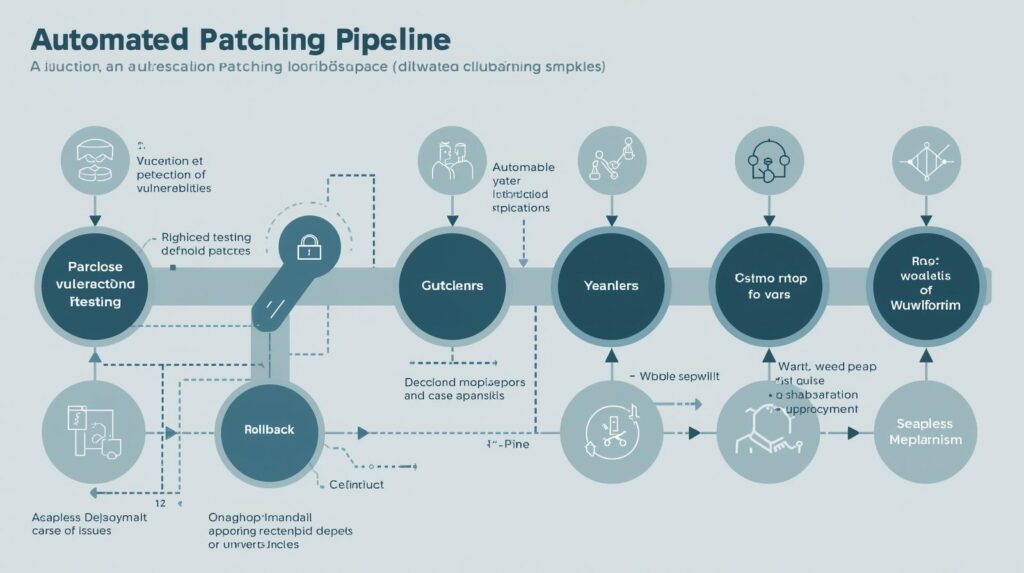
DevSecOps makes patching simpler through automation detection prioritization isolated testing gradual deployment validation and automatic rollback.
Orchestrating Your Security Tools
Modern pipelines create noise static scans dependency scans dynamic tests interactive tests secrets detection and more. Application Security Orchestration and Correlation brings sanity by collecting normalizing de duplicating prioritizing and routing findings.
What DevSecOps Looks Like
Planning threat modeling. Coding real time hints. Build automated scans. Testing dynamic staging scans. Release risk based gates. Operate runtime monitoring.
A Practical 90 Day Plan
Weeks 1-2: standardize and simplify.
Weeks 3-6: integrate scanning and dashboards.
Weeks 7-10: dynamic scanners and rollback controls.
Weeks 11-13: training and quarterly targets.
What Not to Do
Do not buy tools first. Do not overwhelm developers. Do not set unrealistic gates. Do not ignore culture and training.
The Real Payoff
Fewer emergencies. Happier engineering teams. Faster and safer deployments. Better incident response. A strong security posture.
Author Notes
If you are a developer security engineer or leader looking for guidance in building or scaling DevSecOps career mentoring in cyber security advice on securing your SDLC or automation strategies in a modern engineering environment feel free to reach out. I mentor and support professionals who want to grow in this field.


